The first six to ten sessions get all the attention. People share glossy laser hair removal before and after photos, measure the gap between shave days, and celebrate that first summer without razor burn. Then year two arrives, a few quiet hairs clock back in on the chin or bikini line, and the group chat asks the same question: is this normal?
It is. Long lasting hair removal with laser is a reduction, not a literal erasure of every follicle, and maintenance is part of keeping the results you paid for. I have worked with patients who went a decade between touch-ups, and others who prefer one or two passes a year to stay nearly hair free. The right cadence depends on biology, technique, and lifestyle. The goal is not chasing perfection, it is building a plan you can live with.
What the laser actually changes, and what it does not
Hair grows in cycles. The laser hair removal procedure is most effective on follicles in the anagen, or active growth, phase. At any moment, only a portion of hairs are in anagen. That is why professional laser hair removal is scheduled in a series, often every 4 to 8 weeks for the face and 6 to 10 weeks for the body. A complete initial course usually spans 6 to 10 sessions, sometimes fewer for underarm laser hair removal and sometimes more for hormonal zones like the chin, jawline, and lower abdomen.
Laser hair reduction works by depositing heat into the pigment in the follicle, damaging the structures that regrow terminal hair. Think of it as turning a thick, dark wire into a thin, weak thread, or removing the thread completely. Results vary, but many patients see a 70 to 90 percent reduction in coarse, dark hair after a well executed series. Fine vellus hair, especially light colored hair, is less responsive. Blonde, red, and gray hairs contain less melanin, so devices like diode laser hair removal and alexandrite laser hair removal have less to grab. Nd:YAG laser hair removal targets deeper, with a wavelength that is safer for dark skin, but it still relies on pigment.
This brings us to a crucial point. Permanent hair removal in marketing language usually means permanent hair reduction. The FDA language is careful for a reason. You can achieve a dramatic, long term solution on the areas that bother you. Maintenance and occasional touch-ups help you keep it.
Where maintenance shows up first
Different body areas have different hair cycles and hormone sensitivity. That is why underarm laser hair removal behaves differently than facial laser hair removal. Here is what I see most often in practice.
Facial areas such as the chin, upper lip, sideburns, and beard are quick to respond because the hair is coarse. They also sit on hormone rich real estate, so they can wake up again, particularly with conditions like PCOS, postpartum shifts, or perimenopause. Men seeking beard laser hair removal or beard shaping need to be very clear about the border they want, since the follicles that remain can still produce hair with later hormonal surges. A well mapped line and a maintenance pass once or twice a year can hold the shape.
Bikini laser hair removal and brazilian laser hair removal respond well and tend to hold their results for years after the series. I usually recommend one touch-up within 12 to 18 months, then as needed. Ingrown hair improves early, which is one of the most satisfying benefits if you have had recurring bumps or cysts.
Underarm laser hair removal is the crowd pleaser. The hair is coarse and dark, the area is small, and sweating does not interfere with results. People often report that shaving goes from daily to never, or just a quick swipe every month or two if a few soft hairs appear. If you are after low maintenance grooming, underarms are the best laser hair removal starter area.
Leg laser hair removal and arm laser hair removal demand patience simply because of surface area. The payoff is excellent for people who shave constantly or have dense hair. For legs, touch-ups every 12 to 24 months keep the strays in check.
Back laser hair removal and chest laser hair removal require more sessions due to area and hair density, particularly for men. Once reduced, the results can last for years. Some men return seasonally if they prefer a completely smooth chest for summer. Others prefer a natural reduction and stop after the series.
Full body laser hair removal is a different mindset. It is a project that spans several months and almost always benefits from a plan for maintenance. A membership or laser hair removal monthly plan at a trusted clinic can make the upkeep predictable and affordable.
Why one person needs more touch-ups than another
If you hear someone say laser hair removal is permanent and you will never see a hair again, assume they are selling something. Longevity depends on a matrix of factors.
Biology sets the stage. Hair caliber and color determine how much energy the follicle absorbs. Thick, dark hair on light skin is the easiest. Hair on darker skin requires a different wavelength and more careful settings to stay safe. Fitzpatrick skin types IV to VI do best with Nd:YAG. Types I to III often do best with alexandrite or diode. Mixed types sometimes need both over time.
Hormones are the wildcard. PCOS, thyroid shifts, pregnancy, postpartum periods, menopause, and testosterone therapy for gender affirmation can all change hair patterns. Some areas are more sensitive to androgens, like the chin, jawline, areola, lower abdomen, and lower back. If your laser hair removal results are great at first then drift, it may be a hormonal signal rather than a failure of the device or technique.
Technique and technology matter. Larger spot sizes allow faster, deeper energy delivery and can improve efficacy. Cooling methods improve safety and comfort, making higher fluence possible. Advanced laser hair removal systems with real time temperature monitoring or contact cooling can balance safety and speed. Painless laser hair removal is a phrase thrown around often. In real life, comfort varies by area, device, and your pain threshold. Numbing creams, chilled air, and excellent technique make a world of difference. Quick laser hair removal is appealing, but a fast pass at low energy that misses follicles will cost you more over the long term.
Medications and sun exposure affect safety and timing. Photosensitizing prescriptions like doxycycline increase the risk of burns or pigment changes. Most clinics ask you to avoid sun exposure or tanning for 2 to 4 weeks before and after sessions to prevent side effects. Self-tanners fool the device into thinking your skin is darker, which can lower settings and blunt results.
Operator skill closes the loop. A laser hair removal specialist who adjusts settings based on your response each visit, who notices when hair caliber changes, and who maps your regrowth patterns, will give you better long term results than a one size fits all approach. This is the quiet difference between a laser hair removal med spa that runs volume and a laser hair removal skin clinic that prioritizes outcomes.
Building a maintenance plan you will actually follow
Maintenance is not a failure of the initial series. It is how you keep the gains. I coach patients to plan in three phases.
During the first year after your initial series, expect a single clean-up session 3 to 6 months after your last appointment for the face, and 6 to 12 months for the body. Smaller areas like the underarms or bikini may not need anything in year one. Facial areas often do, especially if you have hormonal triggers or you occasionally tweeze between visits.
From year two through year five, most people settle into on demand touch-ups. Underarms and legs might need a pass every 12 to 24 months. Chin and upper lip often return once or twice a year. Backs and chests for men vary widely; swimmers and cyclists tend to be early and often, while others come in before summer vacations.
Beyond five years, many hairs that were terminal have miniaturized or been disabled entirely. Some people, especially those who started with dense growth, enjoy a long runway with few visits. Others keep a yearly visit on the calendar to prevent drift.
Here is a brief, practical checklist that helps my patients get the most from every maintenance session.
- Shave 12 to 24 hours before your appointment so the laser targets the follicle, not the surface hair. Avoid plucking, waxing, or threading for at least 3 to 4 weeks before. Removing the root gives the laser nothing to hit. Pause retinoids, glycolic acids, and scrubs on the treatment area for 3 to 5 days before and after to reduce irritation. Skip tanning and self-tanner for 2 to 4 weeks before, and use SPF 30 or higher daily after. Tell your provider about new medications, especially antibiotics like doxycycline, isotretinoin within the past 6 months, or supplements that increase photosensitivity.
That is one of the two lists we are allowed. Good.
" width="560" height="315" style="border: none;" allowfullscreen="" >
Recognizing when a touch-up is worth it
People often ask for a number, like when you reach 15 visible hairs on the chin, book a session. Real life is fuzzier. I teach patients to look for patterns. If you shave or trim once a month and a week later it looks the same, you are due. If you can maintain with a quick razor touch every 4 to 6 weeks, you may wait.
A simple framework keeps the decision easy.
- If hairs are returning darker or coarser after months of peace, schedule a touch-up within 2 to 4 weeks. If you are seeing only a few fine, light hairs and they do not grow fast, monitor for another month. If you have new hair in a hormone sensitive zone after a medication or life change, book a consultation to reassess settings and plan. If summer is coming and you care about a totally smooth look, a pre-season pass pays off. If you are fighting ingrowns again, do not wait. Address them early with a session and gentle exfoliation.
Second and last list used.
What a quality touch-up looks like
A maintenance visit should feel shorter and more targeted than your original series. The laser hair removal consultation might be brief, but it still matters. Your provider should review changes in your health, sun exposure, and products. They should inspect the area in good light, note hair caliber and density, and adjust energy and pulse width based on your skin type and response history.
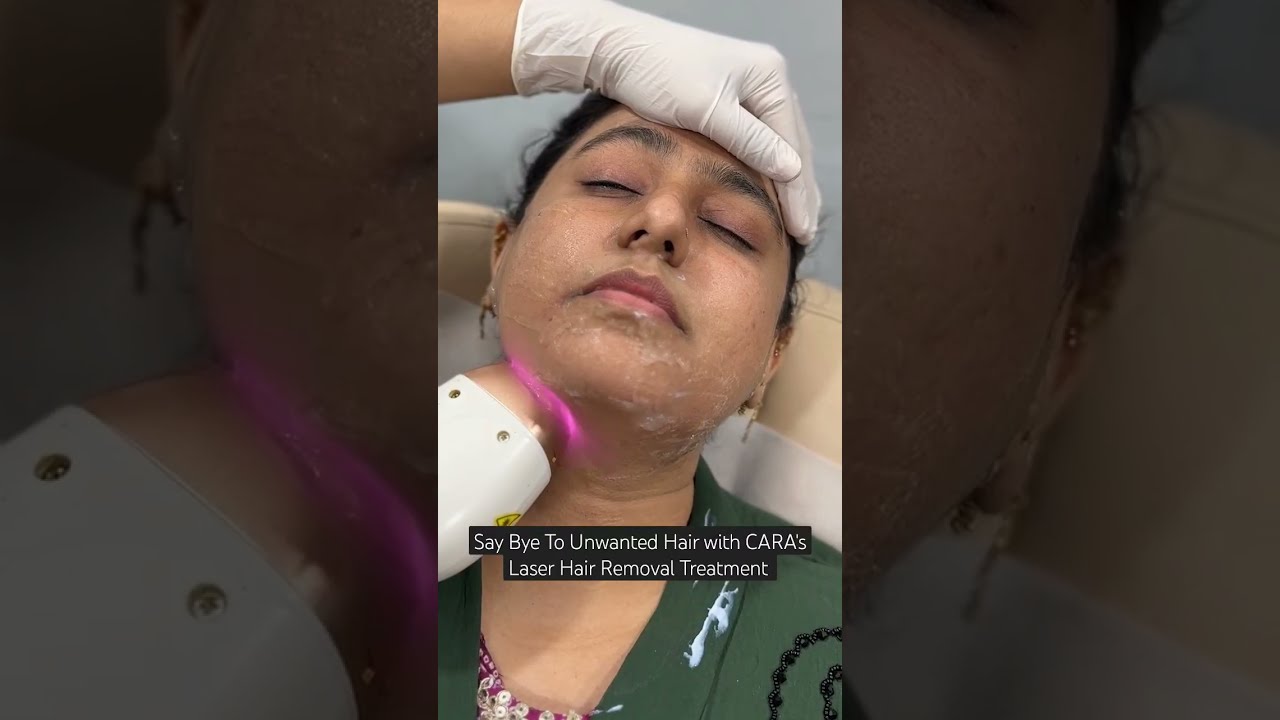
Small areas take minutes. Quick laser hair removal is not a bragging point by itself. Coverage and energy matter more than speed. Expect protective eyewear, a test shot if you have tanned or changed products, and cooling as needed. Redness and perifollicular edema, the tiny pink bumps around follicles, mean the laser hit its mark. That reaction often fades within hours.
For sensitive skin, cooling gel, chilled air, or contact cooling on the laser handpiece control discomfort. Painless laser hair removal is not always realistic, but the session should be tolerable. If you are wincing at every pulse, mention it. Often a small tweak to pulse duration, overlap, or cooling improves comfort without sacrificing efficacy.
Safety, side effects, and how to avoid them
Laser hair removal safety depends on the right device for your skin, appropriate settings, and honest communication. Common, mild effects include temporary redness, swelling around follicles, and warmth in the area. These usually settle within hours to a day. Rare events include burns, blisters, and pigment changes. Post inflammatory hyperpigmentation is more common on darker skin if settings are too high or if sun exposure slips through.
A few rules keep you safe. Space treatments correctly. Respect your clinic’s sun guidance. Do not pressure your provider to push energy beyond what your skin can handle. If you are on isotretinoin, most clinics wait at least 6 months after your last dose to resume laser. If you are on photosensitizing antibiotics, reschedule. For acne prone skin on the face or jawline, tell laser hair removal near me Somerville your provider about active breakouts so they can avoid them or adjust technique.
Paradoxical hypertrichosis, or increased hair after laser, is rare but real. It shows up most often with low energy passes on the face or neck, particularly on darker skin types with fine vellus hair. The fix is not to abandon laser, it is to switch wavelength and strategy. An experienced laser hair removal dermatologist may use Nd:YAG with adjusted parameters, or recommend electrolysis for a subset of hairs.
Devices, wavelengths, and why they matter
The marketing around laser hair removal technology is noisy. What you need to know is straightforward.
Alexandrite lasers, at 755 nm, excel on lighter skin with dark hair. They deliver energy efficiently to the hair bulb and work quickly on large areas like legs and arms. Diode lasers, usually around 810 nm, are versatile and effective across a wide range of skin types when used correctly. Many clinics consider diode systems the workhorse. Nd:YAG lasers, at 1064 nm, penetrate deeper and bypass much of the melanin in the epidermis, making them the safer choice for dark skin. They often require slightly more sessions but protect against pigment injury.
New laser hair removal methods and platforms layer cooling, pulse stacking, and motion techniques to balance comfort and efficacy. The best laser hair removal is the one matched to your skin, hair, and budget in the hands of a skilled operator. If you are typing laser hair removal near me and sifting through options, prioritize a laser hair removal center that can articulate why they recommend a wavelength and how they will tailor settings over time.
Cost, packages, and how to make maintenance affordable
Prices vary by city and clinic. A small area like the upper lip or chin may range from 60 to 200 USD per session. Underarms often fall between 75 and 150. Bikini lines are usually 100 to 250, with brazilian laser hair removal 150 to 350. Full legs can range from 200 to 600 or more. Backs and chests frequently land between 250 and 600 depending on coverage. Touch-up pricing is often lower, either as part of laser hair removal packages or as member rates in a laser hair removal subscription model.
Affordable laser hair removal does not mean cheap laser hair removal. Value shows up as durable results and fewer complications. If a clinic offers laser hair removal deals that seem too good to be true, ask about the device, the experience of the operator, and whether you will see the same provider each visit. Continuity matters when fine tuning settings.
A smart strategy for maintenance is to buy a small touch-up bundle for the areas most likely to need them, such as the chin or bikini. Many clinics will let you apply unused touch-ups to other areas if you do not need them, which protects you either way. If you prefer predictable budgeting, a laser hair removal monthly plan at a trusted clinic can make sense, particularly after full body laser hair removal.
Special situations worth planning for
Hormonal hair growth changes the cadence. People with PCOS often need more initial sessions and benefit from scheduled maintenance, for example every 3 to 6 months on the chin and jawline. Medical laser hair removal does not treat the underlying hormone imbalance, so pairing it with medical care yields the best result.
Pregnancy is a gray area. There is no strong evidence that cosmetic laser hair removal harms a fetus, but most clinics avoid treatment during pregnancy out of caution. During breastfeeding, many providers resume treatment, but they still adhere to strict safety around medications and comfort. Discuss your situation with a laser hair removal expert.
Teenagers can be excellent candidates when hair is dark and coarse, especially for ingrown hairs in athletes. Set expectations. Hair patterns continue to mature through late teens. Maintenance will likely be part of the plan.
For men, laser hair removal for beard shaping can be life changing for those suffering from pseudofolliculitis. Map the lines carefully. Start conservative. It is easier to remove another row of follicles than to coax back hair where you removed it.
People with sensitive skin or a history of keloids should seek a laser hair removal skin clinic with dermatology oversight. Safe laser hair removal on delicate skin uses conservative settings, careful test spots, and diligent post care.
Post care that pays dividends
What you do in the first 48 hours sets the tone. Cool compresses soothe, particularly after facial laser hair removal. A bland moisturizer and mineral sunscreen protect the barrier. Skip intense workouts, saunas, and hot tubs for a day if you can. Friction and heat worsen redness. For body areas, gentle exfoliation after 3 to 5 days helps release treated hairs and prevents ingrowns. Do not pick at loose hairs. They will shed on their own.
If you notice darkening or lightening beyond the expected post treatment flush, contact your provider early. Early management with topical steroids or pigment modulators can shorten the course of post inflammatory color change. For most, this is rare and avoidable.
How to judge results without driving yourself crazy
A simple photo log removes guesswork. Take a clear, well lit photo of each area before your first session, then again after the 3rd, 6th, and final sessions. During maintenance, take a photo on the day you feel you need a touch-up. Over time, you will see that what felt like backsliding was actually a handful of fine hairs compared to the original field.
Hair counts can help if you like numbers. Pick a 2 cm circle in a consistent spot. Count visible hairs before the first session, after the series, and before a touch-up. Dropping from 40 hairs to 6 is a real 85 percent reduction even if those 6 annoy you. This kind of data turns decisions into simple math rather than frustration.
When to stop
You can stop maintenance whenever the balance between effort and benefit tips. Some people chase every last hair, which can lead to over-treatment of vellus hair that never bothered them before. Others find peace with a light dusting of fine, nearly invisible hair and stop entirely. A skilled provider will tell you when further laser is unlikely to add meaningful benefit, and when another method like electrolysis is a better match for a few stubborn light hairs.
Finding the right partner for the long run
A trusted clinic does not begin and end with a sales package. Look for a laser hair removal clinic that offers a thorough laser hair removal consultation, has multiple devices or wavelengths, and is willing to tailor a plan that includes maintenance. Ask to see laser hair removal results and real laser hair removal before and after photos from patients whose skin and hair resemble yours. If you need to search laser hair removal near me, focus on clinics with board certified oversight or seasoned laser hair removal specialists hair removal near me who can speak comfortably about alexandrite, diode, and Nd:YAG, not just brand names.
The better the relationship, the easier the long term care. You should feel able to email a photo of a small regrowth patch and ask, is this worth a visit now or should I wait a month? That kind of guidance saves you time and money.
The quiet reward of maintenance
One of my long term patients, a cyclist who started with back and shoulder hair dense enough to catch on jerseys, texts every spring to book a single session. It takes twenty minutes. He rides all summer without razor rash or adhesive strips. Another patient with chin hair tied to PCOS rights the ship with a touch-up every four months and does not spend mornings in front of the magnifying mirror. These are small, boring victories, and they are exactly the point.
Laser hair removal is at its best when it fades into the background of your life. Professional laser hair removal, done with the right technology and a realistic plan, becomes grooming you do not have to think about. Maintenance and touch-ups are the price of that calm. Planned well, they are quick, affordable, and effective.
If you are ready to start, or you finished your initial series and want a touch-up map for the next few years, book time with a laser hair removal specialist who will treat you like a long term project rather than a single transaction. Share your goals. Bring your questions. With the right partner and a light maintenance strategy, staying smooth stops being a goal and becomes your normal.